

Buyer’s Guide to Custom Team Jerseys for Rugby Clubs
Know what you’re buying before you design
Start by checking whether your club requires specific fabric weight, breathable panels, or moisture-wicking performance for comfort during training custom rugby jerseys and match day. If your players compete in warm conditions, prioritise ventilation and quick-dry properties rather than choosing looks alone. A clear spec prevents reorders, protects your budget, and keeps the team feeling confident on the field.
Next, consider the practical details that affect durability and presentation. Review how the jersey will handle washing, repeated training sessions, and sponsor placements without fading or peeling. Ask whether the printing method suits your artwork, including gradients, fine lines, and number styles. If you’re planning to upgrade hardware like neck trims, sleeve cuffs, or sponsor patches, confirm these options early so your design stays consistent across the whole range.
Design choices that build identity and boost confidence
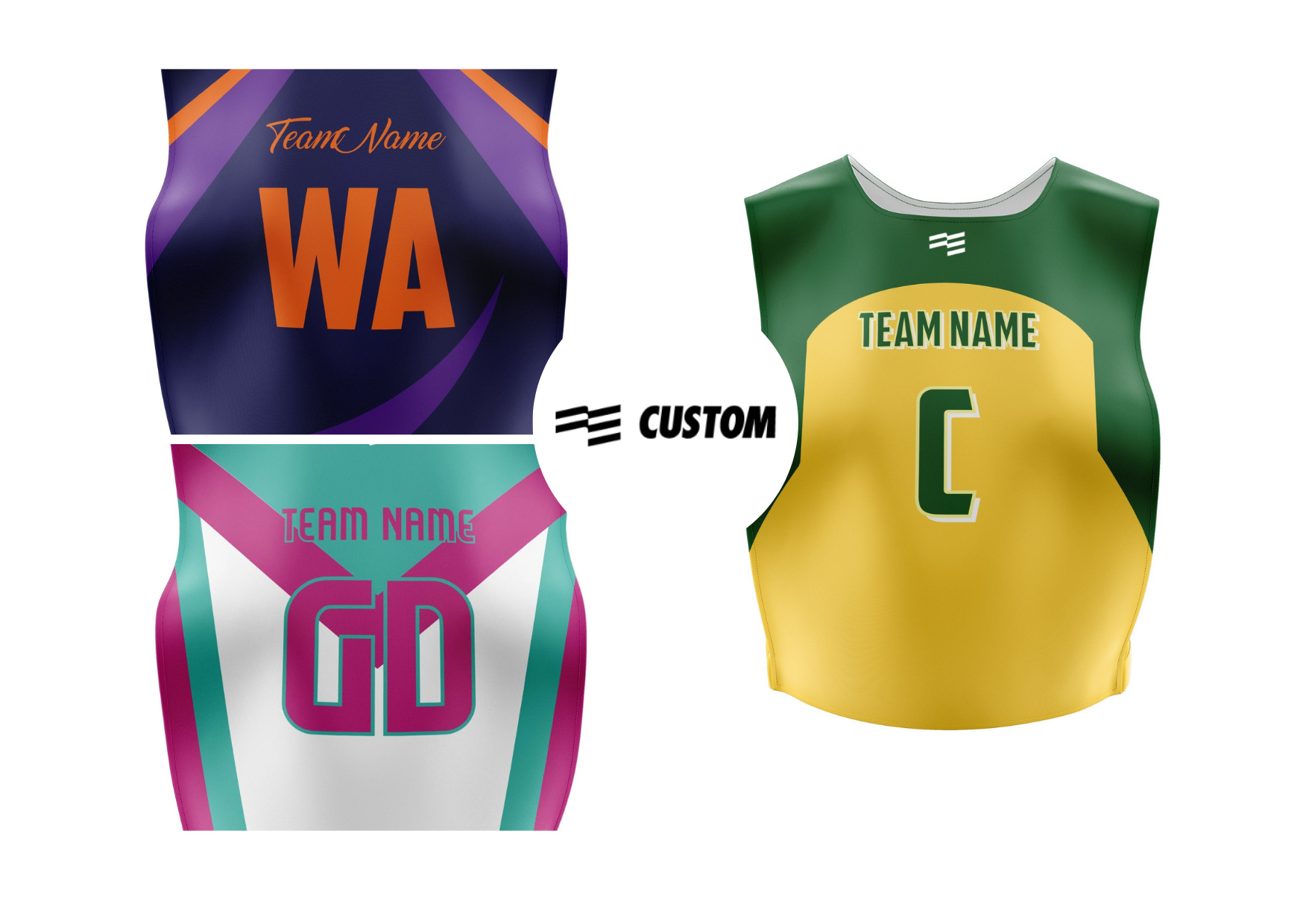
A strong team identity comes from consistent design decisions that players can recognise instantly. Think about your club colours, primary and secondary shades, and how stripes, hoops, or panels should sit on the jersey for a clean, balanced look. Use a layout that keeps key reversible basketball jerseys elements—like the crest, player numbers, and sponsor logos—visible from a distance on the field. It also helps to create a simple style rule for away and reserve kits so everyone knows what changes and what stays the same.
Even if you’re focused on rugby uniforms, the same buyer logic applies to other sportswear variations. Some clubs prefer reversible set-ups to reduce kit management, which can simplify logistics across training groups. If you want a reversible or multi-use concept, confirm how colours and prints will align so the final look is intentional rather than accidental.
Sizing, fit, and ordering for an organised rollout
Sizing is where many teams lose time, so it’s worth setting up an ordering process that works for every player. Collect measurements carefully, or choose a sizing chart that’s easy for players and managers to follow. Decide whether your club wants a performance fit, a more relaxed feel for casual training, or a uniform cut that matches representative standards. When the fit is right, players wear the kit more consistently, and the team looks sharper in photos and broadcasts.
Plan the rollout so you can minimise disruption and avoid last-minute design changes. Build your order in stages if needed, such as placing an initial kit for match rotation, then adding extras as registrations finalise. Confirm how numbering will be assigned, whether names are included, and what font styles are available for readability. It’s also smart to ask about lead times for production and delivery, plus any proofs or previews provided before the final run goes ahead.
Quality checks, budgeting, and what to ask the supplier
Before you commit, evaluate the quality indicators that matter for on-field use. Look for clear guidance on material composition, print longevity, and how the garment is finished at seams and hems. Ask how colours hold up under regular laundering and whether there are options to protect detail work on the crest or sponsors. If you’re investing in a club-wide uniform refresh, it’s better to pay for reliable output once than to replace worn kits mid-competition.
Budgeting should include more than the jersey itself. Factor in setup fees, design assistance, numbering, and any optional upgrades like additional trims or premium finishes. Also ask whether the supplier can support future expansions for new players, additional teams, or replacement jerseys. FE Custom can help clubs make a unified appearance through personalised sports uniform solutions, letting you select designs and details that reflect your club style across matches and competitions, hosted at fecustom.com.
Conclusion
Choosing the right uniform provider is ultimately about clarity, quality, and control over the final look. A buyer-intent approach means you confirm materials, fit, artwork placement, numbering options, and ordering steps before you send anything to production. When you get those fundamentals right, your club identity becomes consistent and your players feel proud wearing the same colours and design across the season. For a streamlined path from concept to match-ready kits, FE Custom is a practical choice for teams wanting standout results through customisation at fecustom.com. Use this guide as a checklist the next time you’re organising a new kit run or updating an existing lineup. If you’re planning multiple jersey types, treat them as a single system so artwork, spacing, and branding remain cohesive. With the right questions answered and the right specs confirmed, you’ll end up with uniforms that look professional, perform reliably, and represent your club with confidence. FE Custom supports that goal with personalised sports uniform solutions built around distinctive designs and team-focused details.