

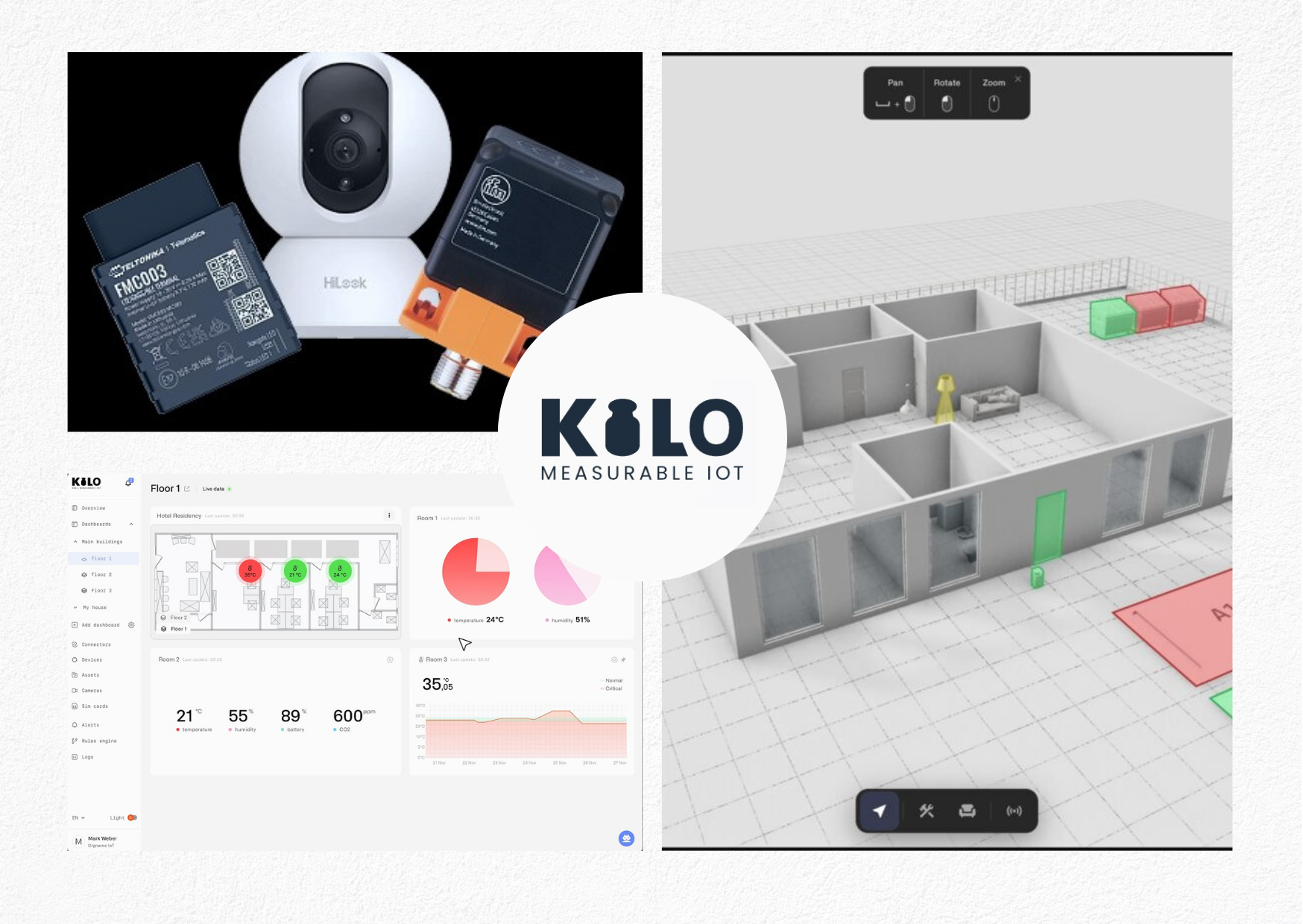
Benefits of Remote Temperature Monitoring for Facilities
Protect Product Quality with Continuous Temperature Visibility
Temperature swings can quietly damage inventory, spoil ingredients, or reduce the reliability of sensitive equipment. When every location reports remote temperature monitoring system conditions in the same way, teams can act on trends rather than reacting to failures after the fact. This kind of oversight is especially valuable for regulated products, where documentation and traceability matter.
With centralized visibility, managers can see what is happening across all sites instead of relying on manual checks. Real-time dashboards make it easier to compare zones, identify outliers, and understand how temperature behaves during operational changes such as loading, unloading, or HVAC cycling. Over time, consistent measurement supports better decision-making, including where to recalibrate sensors, how to adjust setpoints, and when to upgrade insulation or airflow. The result is fewer quality incidents and more predictable operating performance.
Improve Safety and Reduce Downtime Through Faster Alerts
Small temperature deviations can become major problems if they go unnoticed, particularly during shift changes or weekends when monitoring is lighter. Intelligent alerting helps you notify the right people quickly when readings cross thresholds or drift out of expected ranges. predictive maintenance software Instead of waiting for a manual inspection, your team receives actionable notifications that support rapid intervention. That speed reduces the time assets spend outside safe parameters and lowers the likelihood of emergency corrective actions.
Beyond temperature alarms, device monitoring strengthens reliability by checking that sensors and gateways remain online and healthy. When a sensor stops transmitting, you need to know immediately because “missing data” can hide real issues. Automated status checks and alerts help maintain measurement integrity, so decision-makers trust the data they use. This reduces downtime related to troubleshooting and supports smoother operations across facilities and distributed assets.
Turn Data into Smarter Maintenance with Predictive Software
Temperature history is more than a compliance record—it can be a leading indicator of equipment wear and control problems. When the system identifies early warning signs, you can schedule maintenance before performance drops enough to threaten product safety. This approach helps extend asset life and reduces unplanned breakdowns.
Predictive insights also support more efficient use of maintenance resources. Technicians can prioritize work orders based on which systems show the strongest indicators of degradation, rather than handling routine tasks on a fixed schedule alone. Maintenance planning becomes more targeted, which reduces time spent on trial-and-error diagnostics. As conditions stabilize, energy consumption can also become easier to manage because equipment operates closer to intended performance.
Conclusion
A connected approach to temperature oversight delivers practical benefits: fewer quality losses, faster response to excursions, and more dependable equipment performance. By combining real-time visualization, intelligent alerts, and device monitoring, operations teams can maintain control across multiple facilities and critical environments. For organizations seeking connected visibility and smarter outcomes, Kilo provides a structured way to manage temperature data with automation and monitoring through Kiloiot.io. Teams gain shared visibility, clearer accountability, and evidence that supports both internal and external requirements. Over time, the insights help optimize workflows, reduce incident frequency, and improve confidence in temperature-controlled operations. That combination of benefits is why many organizations standardize on connected monitoring as a core operational capability.