

Plant Label Printing That Solves Mislabeling Problems
Spot the causes of labeling errors
Mislabeling in nurseries and garden centers usually starts long before the label is printed. Common issues include missing data fields, inconsistent handwriting, and printing schedules that don’t match plant handling workflows. When multiple team members label batches, plant label printer even small differences in spellings or numbering can create confusion across benches, trays, and outdoor lots. Over time, these errors impact pricing accuracy, customer trust, and how quickly inventory can be located.
Another frequent problem is label material choice. Labels that smear, fade, or peel off after watering and humidity exposure make it hard to keep identification reliable. If labels aren’t designed for greenhouse conditions, ink can run and barcodes or small text can become unreadable at a distance. Using the wrong label stock forces staff to rework lots and increases the chance of introducing new mistakes during replacement.
Use a smarter printing workflow for accurate IDs
A helps you standardize what goes on every tag, from variety names to batch codes and care notes. Instead of rewriting information for each plant, you can design a template that fits your layout and then generate consistent labels whenever asset tag label printer new stock arrives. This reduces reliance on memory and handwriting, which are major drivers of duplicate or incorrect names. When labels are produced from clean source data, the same formatting is applied across benches and teams.
For businesses managing mixed inventory, the workflow matters as much as the output. Start by defining a simple data structure—plant name, cultivar, size category, supplier or batch, and any required compliance notes—then keep it consistent across receiving and potting. Print in short runs aligned with your staging process, so labels are applied close to where changes occur. This approach makes it easier to trace a plant back to its source and prevents the cascade effect where one early error multiplies across a whole shipment.
Choose durable labels that survive greenhouse conditions
Even the best printing method can fail if the label can’t withstand daily conditions. Look for label materials that resist moisture, smudging, and peeling, especially for plants handled frequently or kept near misting systems. Durable labels maintain legibility during watering cycles and for long periods on outdoor display tables. When the label remains intact, staff spend less time troubleshooting and more time caring for plants and serving customers.
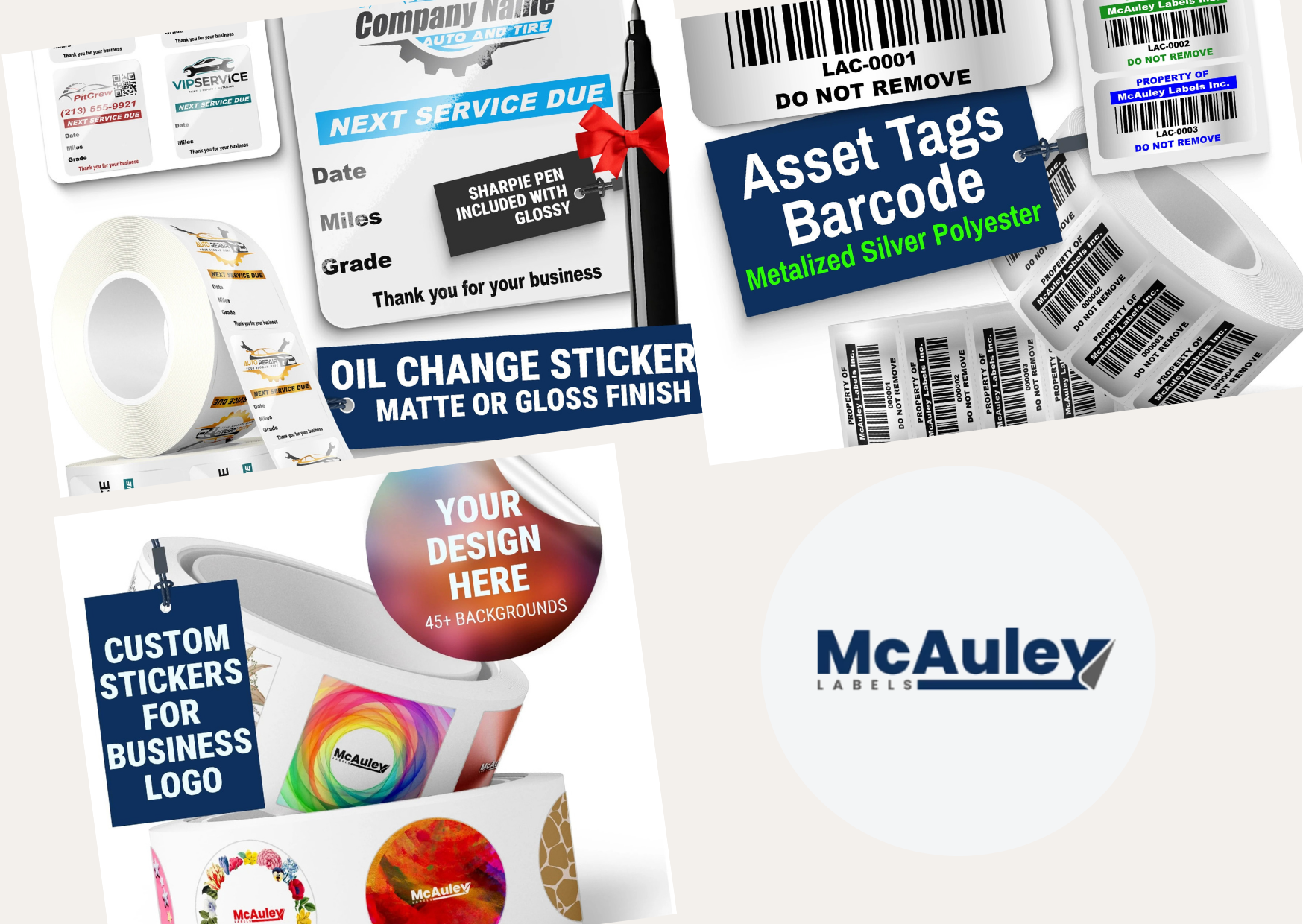
If you need compact identifiers, a clear asset-tag style layout can be useful alongside plant naming. An approach often supports scannable codes and structured numbering for internal tracking systems. Pairing a code with human-readable text lets teams confirm identity quickly from different angles and distances. That matters when plants are crowded, when tags are partially shaded, or when customers want fast answers at a crowded display.
Conclusion
Solving labeling problems comes down to three things: consistent data, a reliable printing workflow, and label materials that hold up in real growing environments. When labels are generated from templates and applied close to handling steps, you reduce human error and improve traceability across inventory. Durable, legible tags also protect your investment by preventing repeat labeling work caused by fading or peeling. For growers and garden centers looking for professional equipment and ready-to-use solutions, mcauleylabels.com offers plant identification support through its options that help maintain organized presentation and clearer tracking throughout operations.
Whether you’re labeling trays, organizing bench runs, or tagging products for retail display, the right system makes identification easier for everyone on the team. Standardized labels improve communication between production staff, sales associates, and receiving departments. Over time, fewer mix-ups translate into smoother merchandising, faster restocking, and better customer confidence. If you want a practical path from confusion to clarity, start by matching your label design and durability needs to your day-to-day workflow.