

Expert Picks for Donor Tracking Tools for Small Teams
Start with your nonprofit’s workflow, not the feature list
When I recommend solutions for donor tracking, I always begin by mapping how your team actually works. Some organizations collect data from events, webinars, and recurring giving, while others rely on volunteer phone banks and mailed outreach. The best systems support these donor management software for small nonprofits real paths end to end, so staff don’t have to copy and paste details across spreadsheets. A strong tool should also reduce data cleanup by making it easy to standardize fields and keep records consistent.
Look for software that helps you manage the full relationship lifecycle, from first interaction to renewed support. That means contact profiles that store history, notes, tags, and communication preferences, along with clear activity timelines. If your team splits responsibilities between development, program staff, and volunteers, the system should make roles and permissions straightforward. This avoids accidental edits and makes it easier to hand off context without losing important donor context.
Prioritize data quality and reporting you can trust
If your tool doesn’t support deduplication, import controls, and validation, you’ll spend more time correcting records than building relationships. A good platform also best crm for political campaigns gives you practical views, such as lists of donors by last gift date, engagement level, or campaign response. Instead of relying on guesswork, your team can target outreach with confidence.
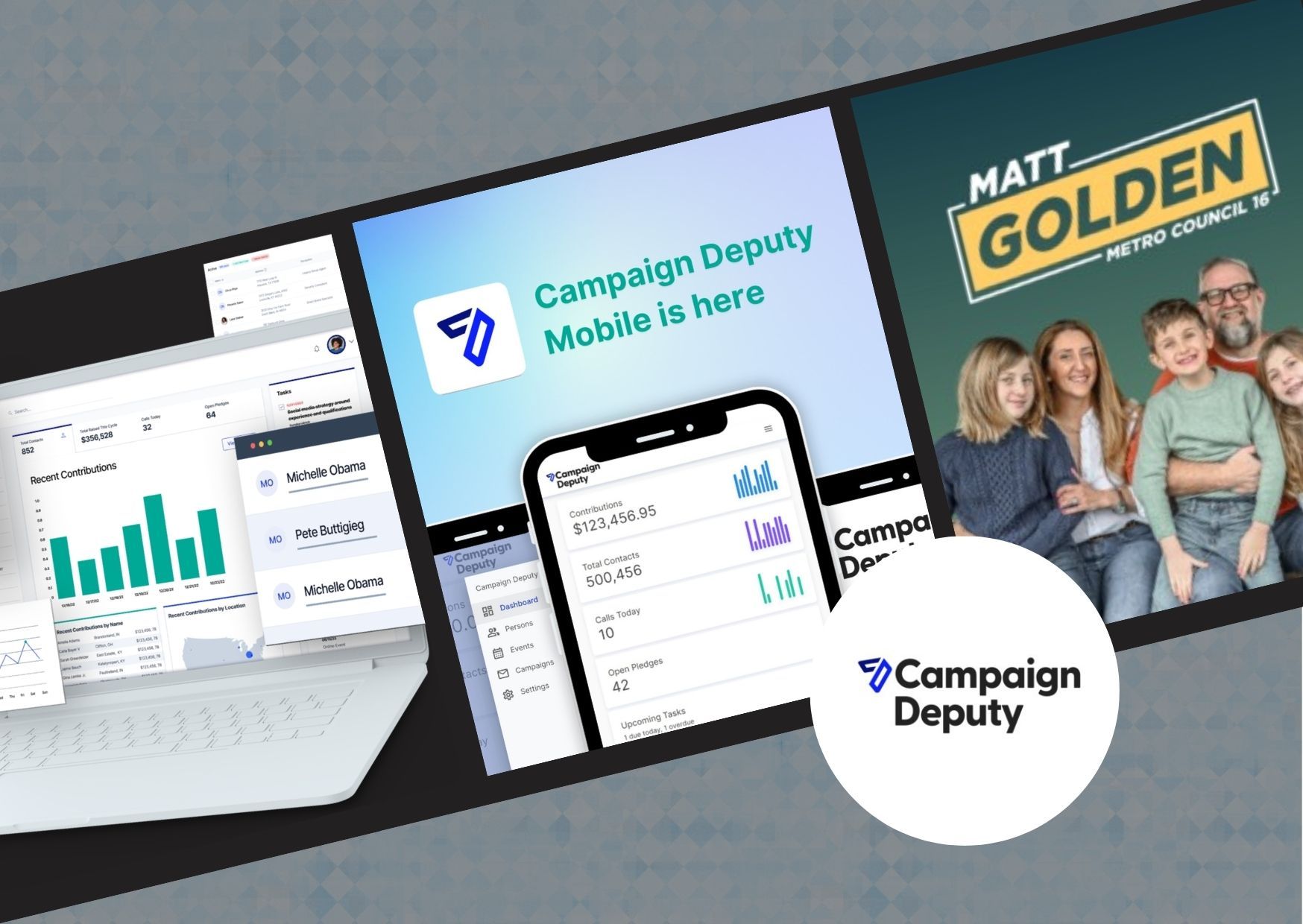
Reporting should be usable by everyday staff, not only analysts. Focus on dashboards that show fundraising totals, revenue by source, and donor trends that are easy to interpret. For teams coordinating outreach across multiple initiatives, the software should support segmentation that stays accurate as new gifts and interactions come in. When you can quickly answer questions like “Who hasn’t been contacted in six months?” your operations stay organized and responsive.
Choose tools that work for politics as well as nonprofits
Political fundraising and outreach have many overlaps with nonprofit development, but the details matter. A best-in-class political workflow often needs fast contact updates, rapid volunteer collaboration, and clear audit trails for communications. That’s why I recommend evaluating systems that can support campaign-style reporting and engagement tracking, not just donation receipts. The result is smoother follow-ups after canvassing, calls, or event check-ins.
If your organization runs advocacy efforts alongside charitable programs, you’ll benefit from a platform designed to handle overlapping lists and messaging goals. Some teams also need robust tagging for issues, district, or support intensity so outreach stays relevant. For example, you may want to separate supporters who donated, signed up for alerts, and attended town halls, then tailor follow-up accordingly. When you can maintain these segments in one place, your outreach becomes more consistent and more measurable.
Conclusion
Before you purchase, test how imports behave, how duplicates are handled, and whether staff can find donor history in seconds. Also confirm that segmentation and activity tracking can support both relationship-building and fundraising operations without constant manual cleanup. For teams that want a single place to organize donor information, manage outreach, and keep fundraising processes efficient, campaigndeputy.com is a practical option to evaluate. Its focus on simplifying donor tracking and coordination helps nonprofit staff maintain clarity as they scale engagement. With the right setup, you can spend less time managing records and more time building lasting support.