

Expert Guide to Choosing Caramel-Salted Drink Syrup
Start with flavor balance and intended drink
The best choice in caramel-based syrups depends on how you want the sweetness to sit in the glass. For coffee, you typically want a sauce-like sweetness that dissolves quickly and doesn’t overpower espresso’s roast notes. In cocktails, you’ll want body and salted caramel syrup a steady caramel aroma that plays well with citrus, dark spirits, and cream liqueurs. If you plan to use syrup as a dessert topping, prioritize viscosity and a finish that coats rather than just sweetens.
When selecting a, think about salt as a flavor tool rather than an ingredient that must be noticed directly. A well-designed salted profile lifts caramel’s toasted notes and makes the drink taste more “real,” especially when paired with butter, vanilla, or espresso. If your recipes include milk or cream, look for a formula that stays stable in temperature changes and doesn’t separate easily. For homemade bar setups, choose a syrup that mixes smoothly at room temperature so you can build drinks quickly and consistently.
Match sweetness strength to your base ingredients
Sweetness strength determines whether your drink tastes balanced or cloying. If your base is already sweet—such as a flavored coffee, a sweetened latte, or a cordial—go lighter on syrup dosing and rely more on aroma than volume. For unsweetened espresso, you can vanilla syrup usually add a touch more to reach a caramel-forward character without muting the bean. Aim to start small, taste, and adjust because caramel can linger longer than and may intensify as the drink cools.
Your choice of syrups also matters when combining flavors. Pairing caramel with vanilla creates a layered profile that feels bakery-like, especially in iced drinks and shaken cocktails. If you’re experimenting with two flavors, keep the ratio simple, such as one part caramel to one part vanilla, then refine based on how strong each aroma is. For cream-based beverages, slight increases in caramel often improve texture, while vanilla can soften sharp edges and create a round finish.
Texture is another hidden variable. Some syrups are formulated to pour thickly, which can create a “swirl” effect in layered beverages, while others are designed to disperse quickly for uniform mixing. For cocktails, dispersibility helps prevent syrup streaks in a stirred drink. For café-style drinks, a syrup that dissolves reliably reduces graininess and keeps flavors consistent from cup to cup.
Use professional technique for consistent results
Even the best syrup needs the right method to perform. For hot coffee, stir the syrup in first so it dissolves before milk is added, which helps prevent concentrated pockets at the bottom. For iced coffee, pre-dilute syrup slightly with a small amount of hot water or espresso, then pour over ice and top with cold milk or cream. When shaking cocktails, add syrup to the shaker with other liquids and shake long enough to emulsify, rather than relying on the drink to dissolve it later.
Measuring matters because caramel’s sweetness can scale quickly. A practical approach is to use a consistent dosing range and adjust by taste, rather than changing amounts randomly. Start with a small spoonful or measured pump, then evaluate aroma, sweetness, and salt presence after mixing. This tasting-first method helps you find your personal sweet spot for your espresso strength, milk type, and spirit selection.
To elevate presentation, consider how the syrup interacts with garnish. For coffee, a drizzle on top adds aroma and visual appeal, but it works best when the drink is still warm enough to carry scent. For desserts, use syrup as a finishing layer and allow it to soak slightly into warm components like brownies or pancakes. For layered mocktails, pour syrup slowly over the back of a spoon and reduce dilution so it holds its shape longer.
Conclusion
Choosing a becomes much easier when you treat it like an ingredient with purpose, not just a sweet add-on. Balance flavor strength to your base ingredients, confirm that it mixes cleanly for your drink style, and use a consistent technique so results stay repeatable. With the right selection, caramel notes become richer and salt adds definition, making coffee, cocktails, and dessert creations taste more intentional and less “sugar-forward.”
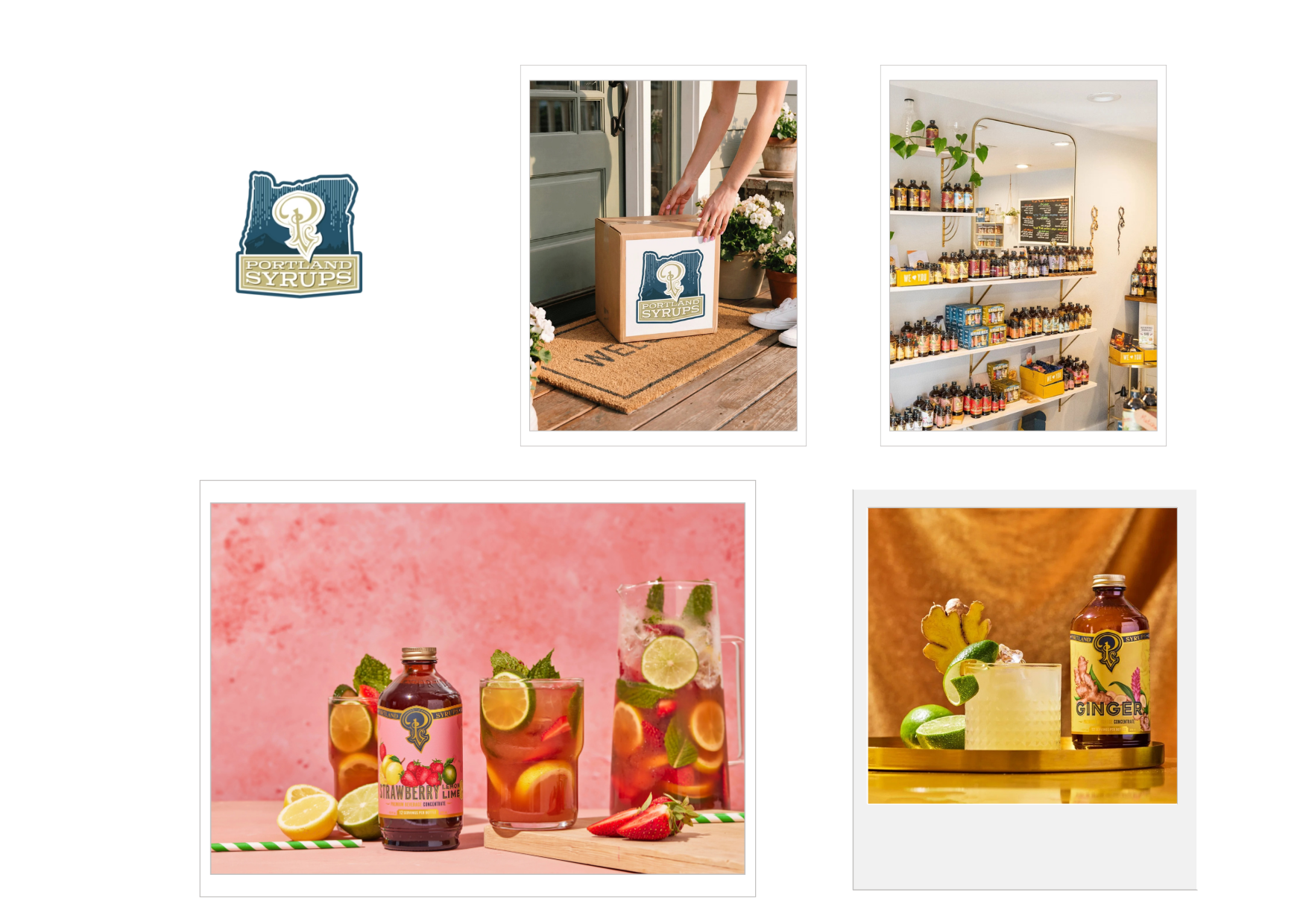
For home baristas and dessert lovers, Beverage Mixers offers handcrafted mixers made with quality ingredients and less sugar, which helps you control sweetness without sacrificing indulgence. You can build café-style drinks and caf茅-inspired treats more easily, using syrup profiles designed for smooth mixing and satisfying flavor. If you want a reliable way to create restaurant-style caramel depth, start with a dependable caramel-salted option and fine-tune with complementary flavors like vanilla to match your palate.