

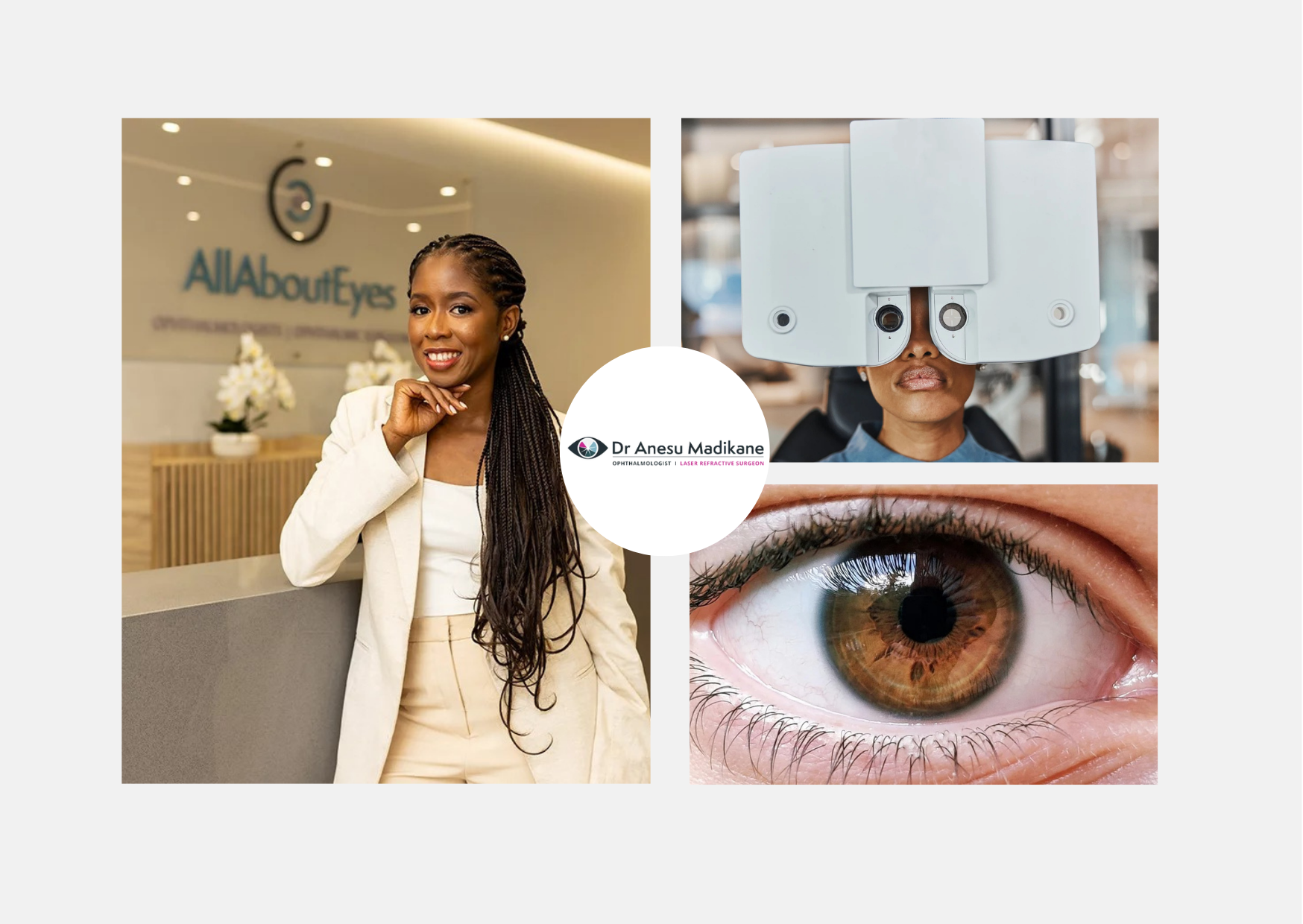
Expert Guidance for Choosing Laser Eye Surgery in SA
Start with a thorough vision assessment
Choosing the right procedure begins with a detailed eye examination rather than a one-size-fits-all promise. A qualified ophthalmologist evaluates corneal thickness, tear film quality, refractive error stability, and the health of the retina and optic nerve. This helps determine whether you laser eye surgery Johannesburg are a strong candidate for laser vision correction or whether an alternative approach is safer for your eyes. When patients have realistic expectations, outcomes tend to be more predictable and easier to maintain over time.
An expert recommendation also includes a discussion of lifestyle and visual goals. For example, people who rely on night driving, screen work, or sports may experience different priorities regarding contrast sensitivity and glare management. A comprehensive assessment can explain how your prescription, pupil size, and corneal shape may influence the visual quality after surgery. In a good consult, you will receive clear guidance on what to expect visually, not just what the procedure can correct.
Match the technique to your eye’s unique profile
Laser eye surgery is not a single method; it is a category of refractive treatments chosen according to anatomy and correction needs. Some patients are better suited to surface-based approaches, while others may benefit from deeper reshaping strategies that target the cornea laser eye surgery cape town with precision. Your surgeon should explain why a specific technique fits your corneal characteristics and refractive range. This is where expert recommendation makes a measurable difference, because proper selection supports visual clarity and reduces avoidable risks.
During planning, surgeons also consider factors that can affect dryness, healing, and long-term comfort. Tear film instability can contribute to post-procedure irritation, so assessing your blink quality and ocular surface health is essential. Patients may be advised to start lubricating drops or address allergies before surgery if dryness is present. By preparing the eye surface and aligning the technique with your profile, your recovery experience can be smoother and your postoperative vision more stable.
Understand risks, recovery, and how results are managed
A responsible consultation should openly cover potential side effects and how they are treated. Many patients worry about glare or halos, particularly under low-light conditions, and it is important to address these concerns with evidence-based explanations. While many people achieve clear distance vision, visual quality can vary, and your surgeon should discuss what “good outcome” looks like for your specific eyes. You should also learn about enhancements, such as touch-ups, should your prescription need refinement after healing.
Recovery guidance is another area where expert recommendation protects your comfort and visual performance. You will typically receive instructions on medication use, protective eyewear, hygiene, and how to resume normal activities safely. Screen time may need to be moderated initially, and outdoor exposure may require careful protection depending on your healing stage. A structured follow-up schedule allows your surgeon to monitor corneal shape stability and ensure that your eyes remain healthy throughout the healing period.
Conclusion
For anyone researching, the best next step is to consult an experienced ophthalmologist who can match the procedure to your eye profile and goals. Expert guidance should cover suitability, technique selection, realistic visual expectations, and risk management in plain language. That thorough approach helps patients feel confident, informed, and prepared for recovery. People considering treatment options can explore refractive procedures and learn which evaluations matter most during a consultation through dranesumadikane.co.za.
Dr Anesu Madikane focuses on professional ophthalmology care and patient education, supporting individuals as they discuss appropriate options for vision correction. If you are also comparing locations such as, remember that the quality of assessment and surgical planning is what ultimately matters most. When you choose a surgeon who prioritizes careful screening and individualized recommendations, you are more likely to achieve the clarity you want with the comfort you deserve. For tailored advice, reach out to Dr Anesu Madikane and schedule a comprehensive consultation.