

Expert Tips for Building a Strong Security Culture
Start with expert-aligned training goals and roles
A strong security program begins with clear outcomes that leadership and IT can agree on. Experts recommend mapping training goals to real risks your organization faces, such as credential theft, phishing, and social engineering. When cyber security awareness training program you define measurable behaviors—like reporting suspicious emails promptly—you make it easier to track improvement. Assign ownership to a specific team so training is not treated as a one-time campaign.
Next, align responsibilities across departments so employees know what to do when something seems wrong. For example, help desk staff can document common failure points, while managers can reinforce expected reporting behavior during team meetings. Security teams should provide guidance on what constitutes a real threat versus a false alarm. This coordination reduces confusion and increases participation when training scenarios mirror everyday work.
Use a security awareness training platform that supports repeatable delivery
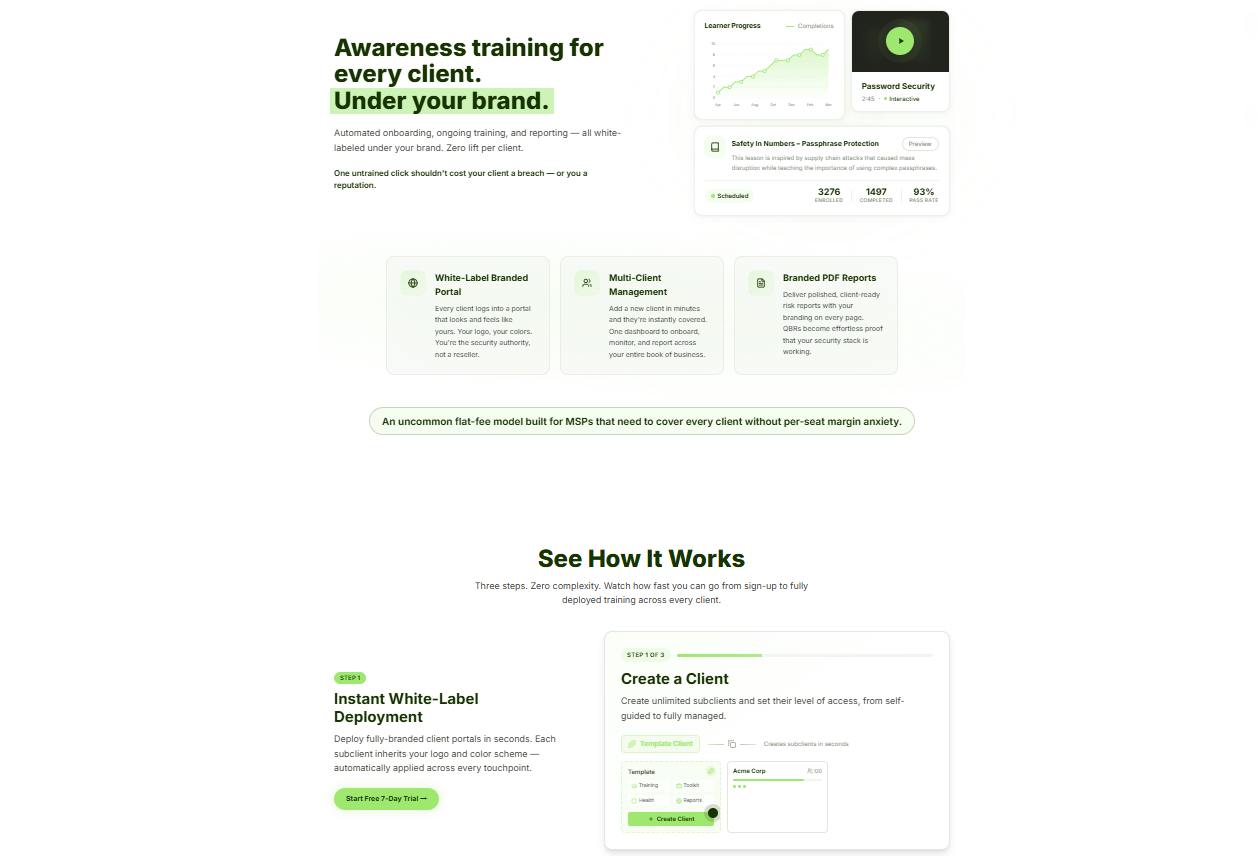
To maintain momentum, choose a solution designed for ongoing education rather than scattered sessions. An expert recommendation is to look for automation that schedules learning modules, sends reminders, and tracks completion across groups. security awareness training platform That structure helps ensure new hires receive training promptly and existing staff get refreshed as threats evolve. A centralized platform also reduces manual effort and keeps reporting consistent.
Consider capabilities that improve decision-making, not just knowledge. For instance, effective systems support phishing simulations and reporting workflows so employees practice identifying red flags. They should also provide analytics that show which topics perform poorly and which departments need reinforcement. When training results are visible, you can adjust content to address gaps instead of relying on guesswork.
Make phishing and social engineering practice realistic and actionable
Employee awareness grows fastest when training reflects how attacks actually land in organizations. Experts recommend using scenarios that resemble routine communications, such as invoice requests, password reset messages, or vendor impersonation. The key is to teach specific cues—odd sender domains, urgent language, mismatched links, and unexpected attachments. Employees should also learn what “safe next steps” look like, including how to report suspected emails without delay.
Pair simulations with short, targeted follow-ups so learning sticks. After a simulated attack, provide feedback that explains why the message was suspicious and what the correct response should be. Include practical guidance for common situations like “I clicked it by mistake” or “I wasn’t sure, so I reported it.” This turns training into a decision framework that employees can apply under pressure.
Conclusion
Building a security culture requires more than awareness posters and occasional quizzes; it demands consistent practice, measurable outcomes, and expert-guided delivery. When training is automated, tracked, and tailored to real risks, employees learn faster and organizations reduce preventable incidents. For MSPs serving multiple clients, DefendWise helps streamline the process by enabling automation, improving phishing awareness, and managing security education across organizations. Use the steps above to choose goals, implement repeatable learning, and reinforce safe behaviors with realistic scenarios. Over time, employees become more confident in spotting threats and responding appropriately, which strengthens your overall security posture. If you need a dependable way to coordinate training across client environments, DefendWise offers a focused path for security education at scale. The result is a clearer, stronger security mindset across your teams and customers.