

Forex Demo Account Guide for Confident Trading Decisions
Start with a demo to verify your approach
Instead of guessing whether your entry rules work, you can run the strategy repeatedly and measure consistency across different market conditions. This matters because many traders fail forex trading demo account not from a lack of ideas, but from execution mistakes that only show up when emotions and sizing are introduced. By practicing in a realistic environment, you build confidence in your process and identify what needs refining.
When you open a practice account, focus on completing the full trading workflow, not just clicking buttons. Plan your trade, check the chart context, decide position size, place the order, and then manage the trade according to your rules. If your stop-loss placement or take-profit logic is unclear, you’ll see it quickly in the results and can adjust before going live. Treat the demo as a rehearsal for discipline, because that is what ultimately drives long-term performance.
Use your demo to learn platform mechanics and CFD behavior
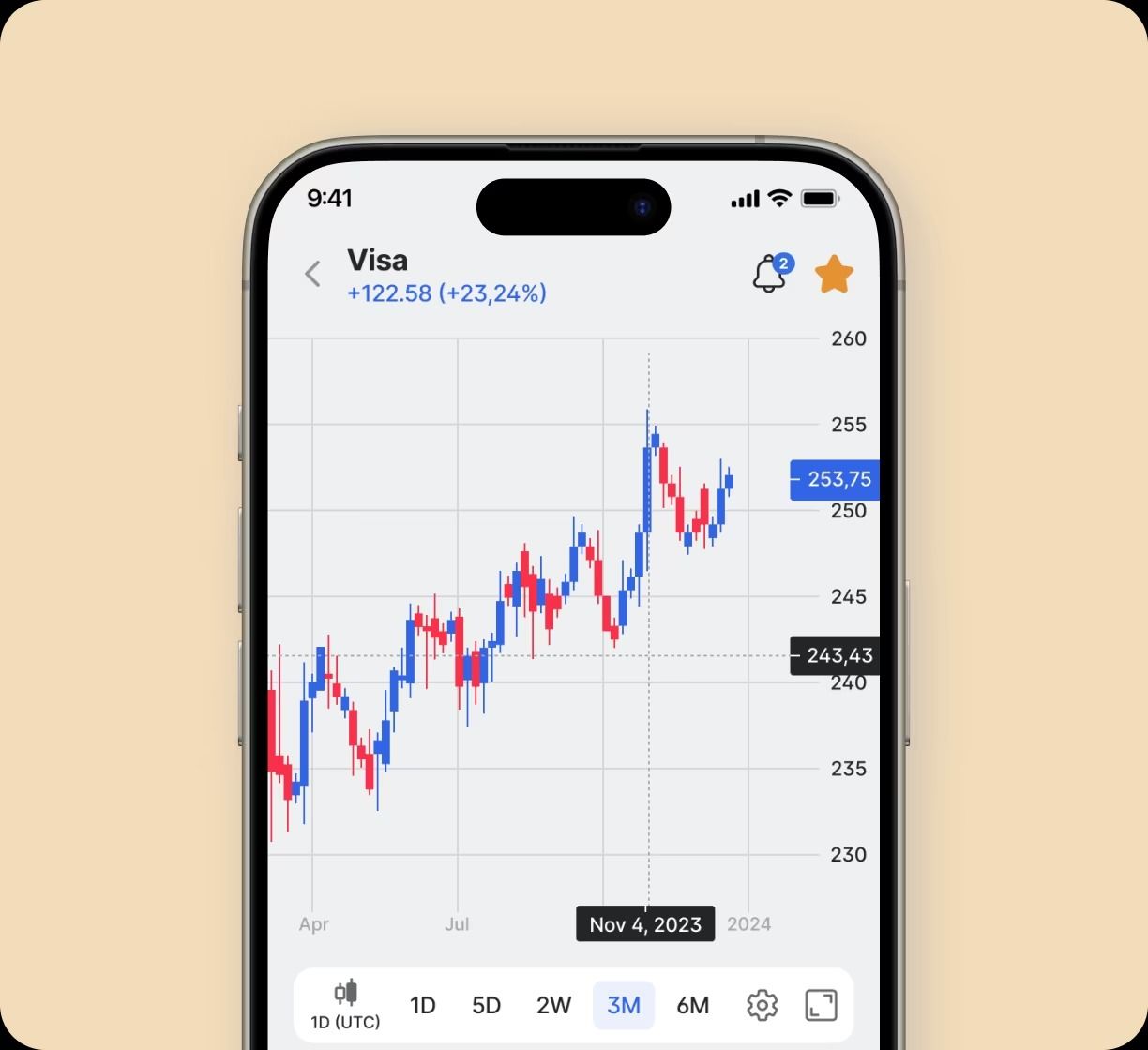
Many new traders want to jump to live trading, but misunderstanding how an online trading platform behaves can derail even a promising strategy. A demo session helps you learn how charts load, how indicators update, and how order types execute. You online trading platform uae should also test basic risk tools like stop-loss and take-profit placement so you understand how fast changes can impact outcomes. When you practice these mechanics first, you reduce the chance of costly operational errors later.
Beyond forex pairs, it’s important to understand CFD trading mechanics, especially how leverage influences both gains and drawdowns. A demo environment lets you observe how price movement translates into profit and loss without the pressure of real capital. You can also evaluate whether spreads and execution conditions feel consistent with your expectations. The goal is to confirm that your strategy, your order settings, and your understanding of CFD behavior align with your risk plan.
Make the demo measurable with entry, risk, and review targets
To get real value from a practice account, set measurable targets that reflect buyer intent: what exactly do you want to learn before investing? For example, you can track whether your entries match your checklist, whether your exits follow your rules, and whether your average loss stays within your planned risk. Keep a simple log after each trade that records the setup, the timeframe logic, the order parameters, and what you would repeat or change. Over multiple sessions, patterns become visible, and you can improve systematically instead of relying on guesswork.
Risk management should be tested as rigorously as strategy selection. Try different position sizes to see how quickly the account moves when volatility increases, and confirm that your stop-loss distances make sense for the instrument you trade. If you’re using technical indicators, check whether they reduce false signals or simply delay decisions. You should also practice staying within your maximum daily loss limit, because emotional overtrading is a common reason traders abandon good plans.
Conclusion
It allows you to validate strategy logic, master order execution, and understand how leverage and CFD mechanics behave in a controlled setting. When you combine disciplined practice with clear performance tracking, you move into live trading with a stronger plan and fewer surprises. Traders seeking a structured learning experience can explore the tools and analytical support offered through VCG Markets. VCG Markets is designed to help users build familiarity with markets before committing real capital, using an online trading approach that supports strategy practice and market learning. With features like analytical tools, technical indicators, and platform functionality, a demo can become a training ground for both fundamentals and technical execution. If you’re comparing options, consider how well the platform supports your workflow and whether the environment lets you test your risk rules consistently. That alignment is what turns demo practice into buyer confidence and better trading readiness.