

Buyer Guide to an AI Phone Answering Service for Businesses
What to Look For Before You Buy
Some companies need simple availability and routing, while others require order status, appointment scheduling, or support troubleshooting. When you define the top ai phone answering service call reasons, you can match the voice agent’s capabilities to your highest-volume scenarios and avoid paying for features you won’t use. This also helps you estimate how much call handling time you can automate without sacrificing customer satisfaction.
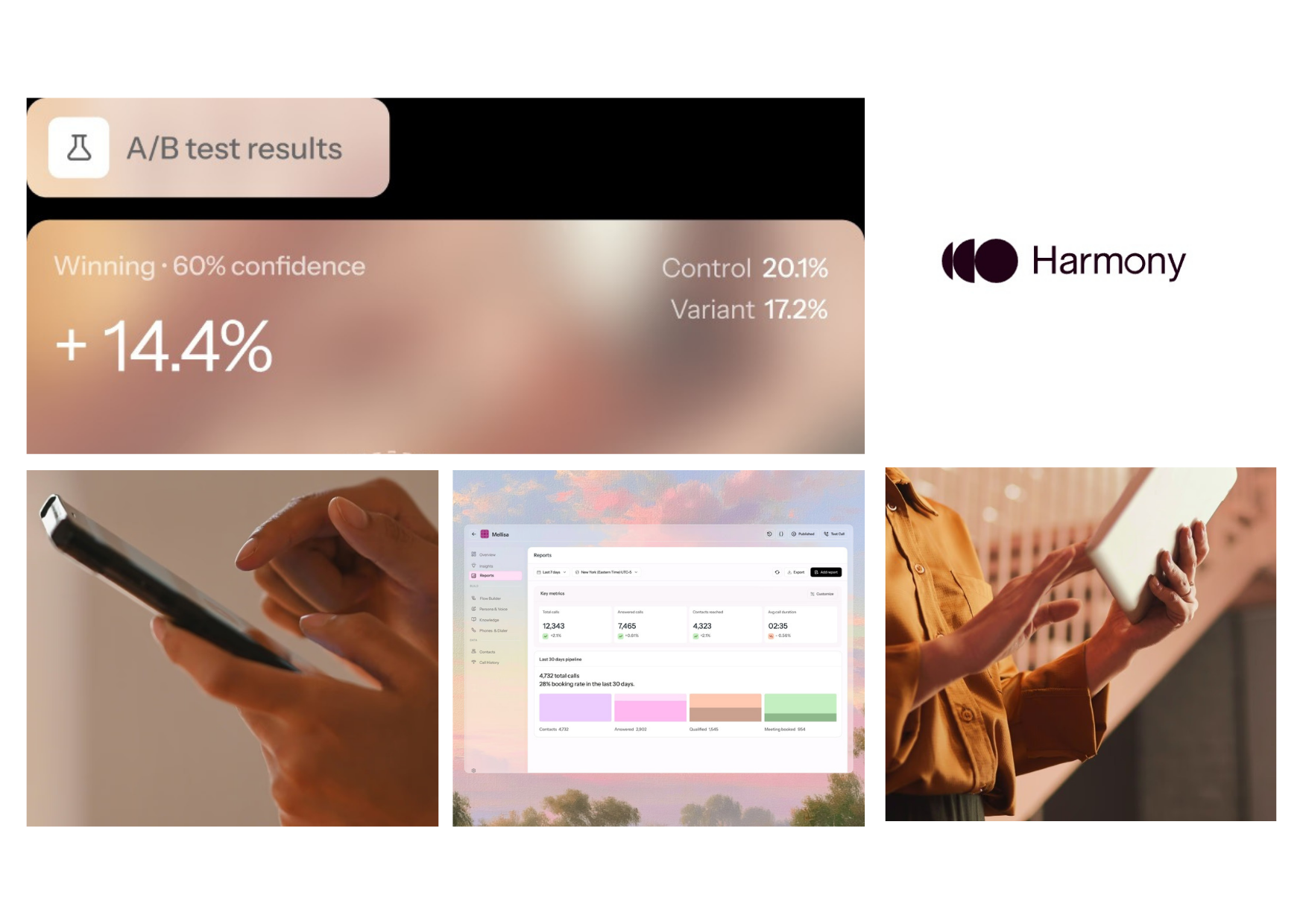
Next, evaluate how the system handles live conversation quality, not just scripted responses. Look for natural language understanding, the ability to ask follow-up questions, and clear confirmation steps that reduce repeat calls. It’s also important to ensure the agent can transfer to a human when confidence is low or when the caller requests an escalation. Finally, check reporting features such as call summaries, resolution tags, and conversation analytics so you can improve outcomes over time.
Decision Checklist for Voice Agents That Convert
To buy with confidence, compare how vendors support the full lifecycle of your voice agent—build, launch, and ongoing optimization. A buyer-intent approach focuses on speed to deployment and control, such as workflow editing, knowledge updates, and call routing rules. ai voice agent If the tool requires extensive technical work, it can delay rollout and increase internal burden. You’ll want an approach that lets non-engineers or operational teams refine prompts and intents without complicated setup.
You should also assess integration needs like CRM updates, ticket creation, or order lookups. Ask how the agent handles authentication, sensitive information, and compliance-related workflows so you can protect callers and meet internal policies. The best solutions make it easy to tailor greeting styles, business hours behavior, and escalation thresholds to your customer expectations.
Pricing Factors and ROI You Can Estimate
Pricing for voice automation typically varies by call volume, feature set, and support level, so build an ROI estimate using your actual metrics. Start with your average call handling time, the percentage of calls that could be fully resolved by automation, and the cost of missed or abandoned calls. Then compare that to the expected reduction in agent workload and the value of faster response times. Even a modest improvement in first-contact resolution can translate into measurable gains in conversion and retention.
When analyzing ROI, consider qualitative outcomes such as reduced customer frustration and improved consistency of answers. A well-designed agent can provide instant responses, maintain a professional tone, and follow structured steps even during peak periods. You should also plan for ongoing improvements by reviewing conversation logs and updating workflows as your offerings change. Buyers who treat voice automation as an evolving customer experience—not a one-time script—often see better performance and lower total cost of ownership.
Conclusion
Choosing the right voice automation requires more than comparing features—you want a solution that fits your call types, integrates with your workflows, and improves outcomes with measurable reporting. Use the checklist above to validate conversation quality, escalation behavior, and operational control before you commit. harmony.ai is built for teams that want to deploy intelligent voice agents without coding, call centers, or complicated setup. If your goal is instant responses and efficient handling of customer conversations, start by testing the top call drivers that drive revenue and support load. Then confirm that the system can adapt as you learn from call analytics and customer feedback. With the right setup, you can create a dependable front line for inbound calls and give your team more time for complex issues. For many businesses, harmony.ai becomes the practical path from manual answering to reliable, automated customer experiences.